
In the fast-paced world of real estate, agents often find themselves juggling numerous responsibilities, from client meetings to property showings, negotiations, and paperwork. The pressure to meet sales targets, maintain client relationships, https://www.home-truths.co.uk/pag/top-5-ways-to-relax-after-a-busy-day-of-property-showings.html and stay updated with market trends can lead to significant stress and burnout. This case study explores the importance of relaxation for real estate agents, highlighting effective strategies that can enhance their well-being and productivity.

The Stressors of Real Estate
Real estate agents face unique challenges that contribute to their stress levels. The industry is characterized by fluctuating market conditions, demanding clients, and the constant need to be available. Agents often work irregular hours, including evenings and weekends, which can disrupt their work-life balance. Additionally, the emotional toll of dealing with clients’ expectations, financial negotiations, and the potential for failed deals can be overwhelming.
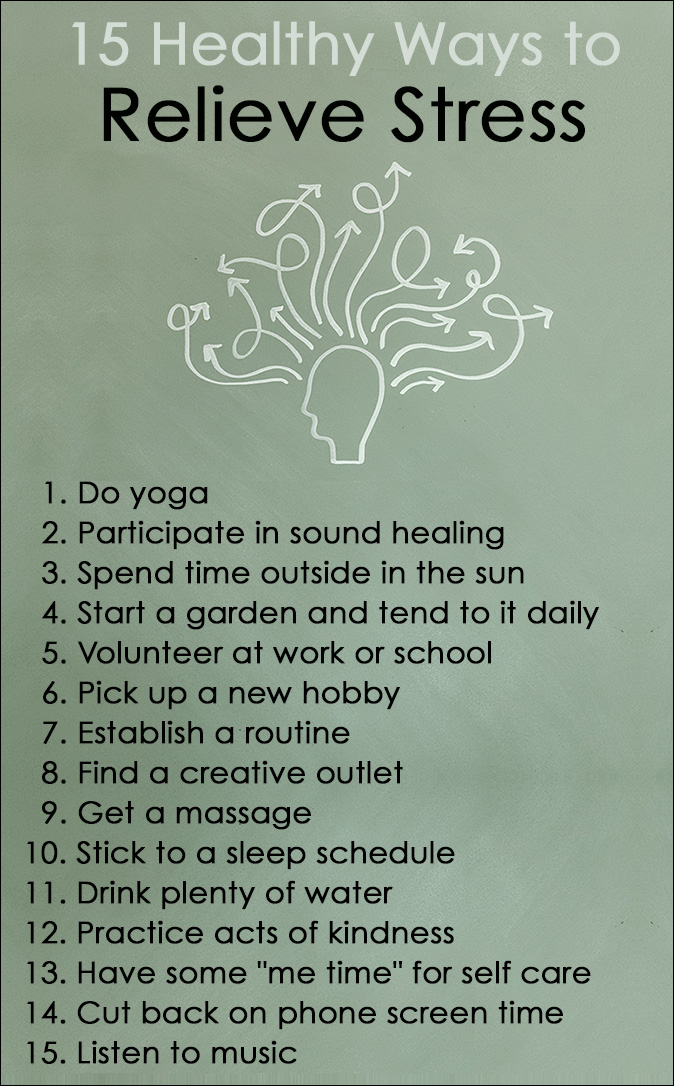
A survey conducted by the National Association of Realtors (NAR) revealed that nearly 60% of real estate professionals reported feeling stressed due to the demands of their job. This stress can lead to decreased job satisfaction, reduced productivity, and even health issues if not managed effectively.
The Importance of Relaxation
Relaxation is essential for real estate agents to recharge and maintain their mental and physical health. Taking time to unwind not only helps reduce stress but also enhances focus, creativity, and overall job performance. A well-rested agent is more likely to approach clients with a positive attitude, make sound decisions, and effectively negotiate deals.
Moreover, relaxation can improve an agent’s problem-solving abilities. When the mind is clear and free from stress, agents can think critically and creatively, helping them find innovative solutions to challenges that may arise during transactions.
Strategies for Relaxation
To combat the stressors of their profession, real estate agents can adopt various relaxation strategies. Here are some effective methods:
- Mindfulness and Meditation: Practicing mindfulness and meditation can help agents stay present and focused. Setting aside just a few minutes each day to meditate can significantly reduce anxiety and improve mental clarity. Apps like Headspace and Calm offer guided sessions tailored to busy professionals.
- Physical Activity: Regular exercise is a powerful stress reliever. Agents can incorporate physical activity into their daily routines by taking short walks between appointments, attending yoga classes, or engaging in team sports with colleagues. Exercise releases endorphins, which can elevate mood and promote a sense of well-being.
- Time Management: Effective time management is crucial for reducing stress. Agents can use tools like calendars and task management apps to prioritize their workload and set realistic goals. By allocating specific times for client meetings, property showings, and administrative tasks, agents can create a structured schedule that allows for breaks and relaxation.
- Setting Boundaries: Establishing boundaries is vital for maintaining work-life balance. Agents should communicate their availability to clients and set specific hours for work-related tasks. This helps prevent burnout and ensures that they have time to relax and recharge outside of work.
- Hobbies and Interests: Engaging in hobbies and interests outside of work can provide a much-needed escape from the pressures of real estate. Whether it’s painting, hiking, or cooking, pursuing personal passions allows agents to unwind and express themselves creatively.
- Networking and Support: Building a support network with fellow agents can provide emotional support and opportunities for relaxation. Participating in industry events, social gatherings, or informal meet-ups can foster camaraderie and help agents share experiences and coping strategies.
Case Study: A Successful Real Estate Agent’s Journey
To illustrate the impact of relaxation on a real estate agent’s career, consider the case of Sarah, a successful agent in a competitive market. Initially, Sarah struggled with the demands of her job, often working late nights and weekends to meet client expectations. She frequently felt overwhelmed and burned out, leading to decreased productivity and job satisfaction.
Recognizing the need for change, Sarah decided to prioritize her well-being. She began practicing mindfulness meditation each morning, which helped her start the day with a clear mind. She also committed to regular exercise, joining a local running club that provided both physical activity and social interaction.
Additionally, Sarah implemented better time management practices, setting specific work hours and communicating them to her clients. This allowed her to enjoy her evenings without work-related distractions. She also made time for her passion for painting, which became a therapeutic outlet.
As a result of these changes, Sarah experienced a significant reduction in stress. She reported feeling more energized and focused during work hours, leading to improved client interactions and increased sales. Her newfound balance not only enhanced her professional life but also enriched her personal life, providing her with a greater sense of fulfillment.
Conclusion
In conclusion, relaxation is a critical component of success for real estate agents. By implementing effective relaxation strategies, agents can reduce stress, enhance their productivity, and improve their overall well-being. As the industry continues to evolve, prioritizing self-care and work-life balance will be essential for agents looking to thrive in a demanding environment. Through mindful practices, physical activity, and support networks, real estate professionals can find the balance they need to succeed both personally and professionally.